Your Booking has been received. Tripsopedia will be in touch with you.

Loading...
Plot 44 Lugogo By-Pass, Kampala, Uganda +256 776 886 910 info@tripsopedia.com
Western Uganda

Kibale Forest National Park

Africa's finest chimpanzee tracking destination, and the richest concentration of primates anywhere on the continent.

795 km²Park Area
13Primate Species
~1,450Chimpanzees
375+Bird Species
70Mammal Species
Overview Primates & Wildlife Birdlife Nearby Areas Activities Where To Stay Getting There Plan Your Trip
Get To Know The Park

Uganda's Chimpanzee Capital

Kibale Forest National Park covers 795 square kilometres in western Uganda, and holds one of the country's most beautiful tropical forests. The northern and central park is thick, unbroken canopy, rising to a peak of 1,590 metres above sea level, then dropping to 1,100 metres on the floor of the Albertine Rift Valley in the south. Expect a wet climate here, with roughly 1,700 mm of rain a year, heaviest from March to May and September to November, and temperatures ranging from 14 to 27 degrees Celsius depending on elevation.

To the south, Kibale connects directly to Queen Elizabeth National Park through a 180 km wildlife corridor, running from Ishasha up through Sebitoli Forest at Kibale's northern edge. That connection, plus nearby attractions like the Ndali-Kasenda crater lakes, Semuliki National Park, the Toro-Semliki Wildlife Reserve, and the Rwenzori Mountains, makes Kibale an easy fit alongside several other western Uganda destinations on one itinerary.

Kibale's real claim to fame is chimpanzee tracking, and few places in Africa do it better. The park counts 351 recorded tree species and shelters 13 primate species across its varied habitat, from wet tropical forest on the Fort Portal plateau down to savannah and woodland on the rift valley floor. It is also a serious research hub, home to some of the continent's longest-running primate studies.
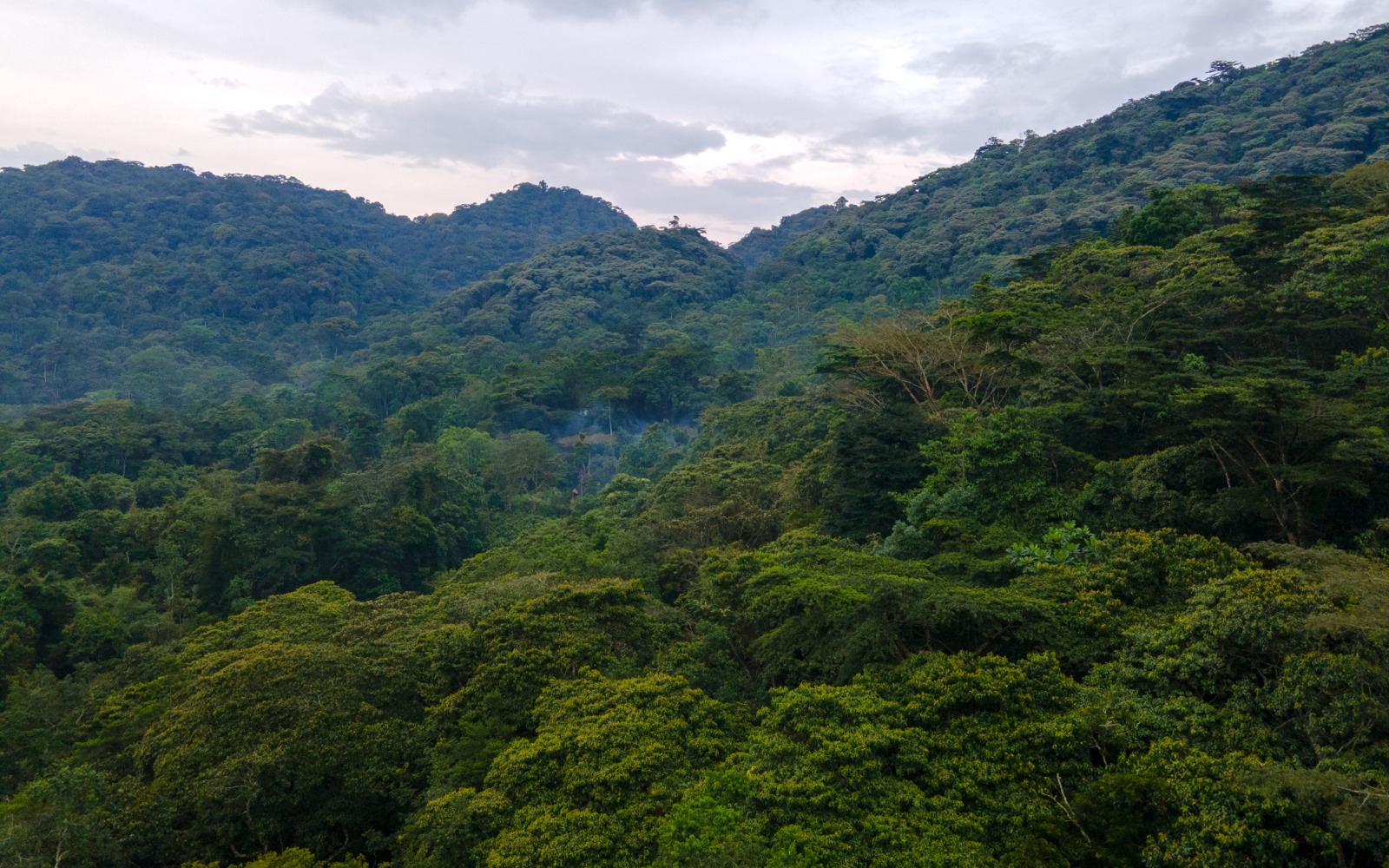
Kibale Forest National Park landscape
A Forest Of Extremes

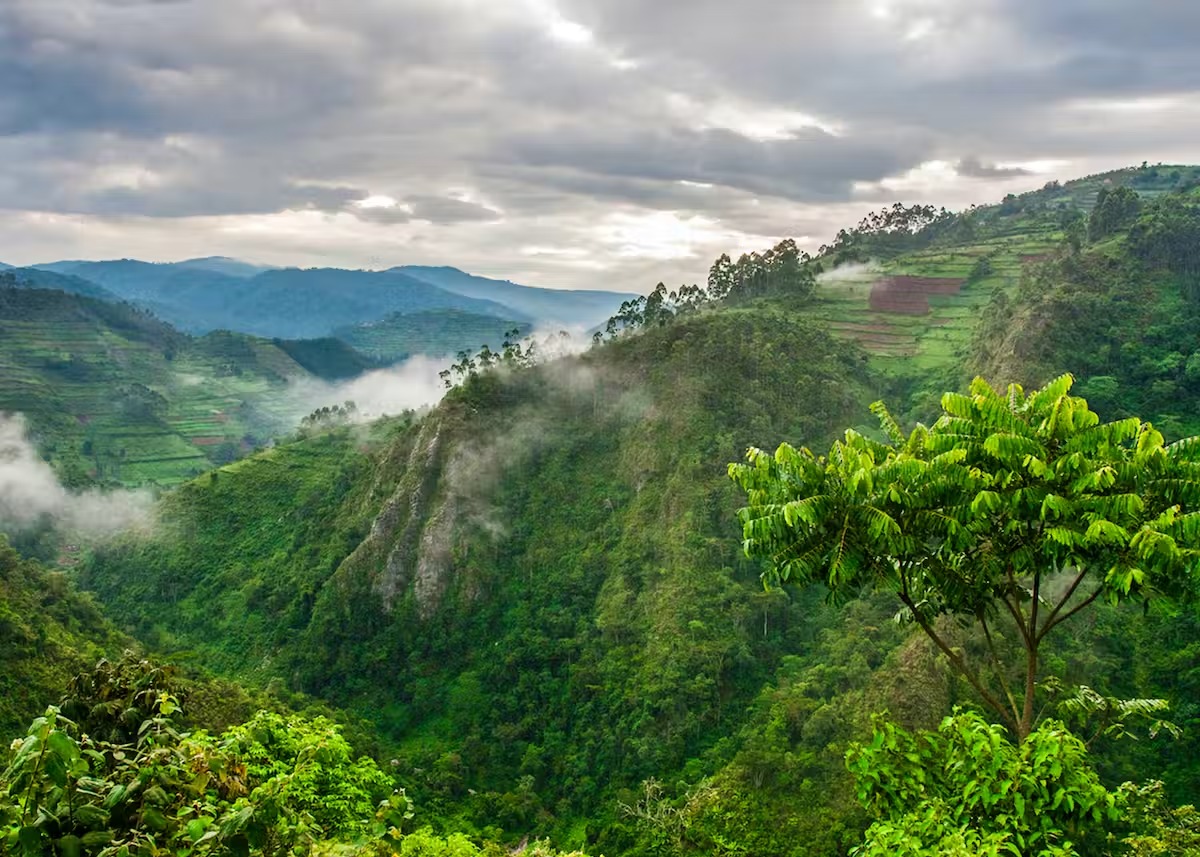
Kibale's altitude runs from 1,100 metres to 1,590 metres, and that range is exactly why it holds such a mix of habitat, wet tropical rainforest at the top, dry savannah and woodland where the rift valley floor takes over. Few Uganda parks pack this much ecological variety into one boundary.
Primates & Wildlife

The Highest Primate Density In Africa

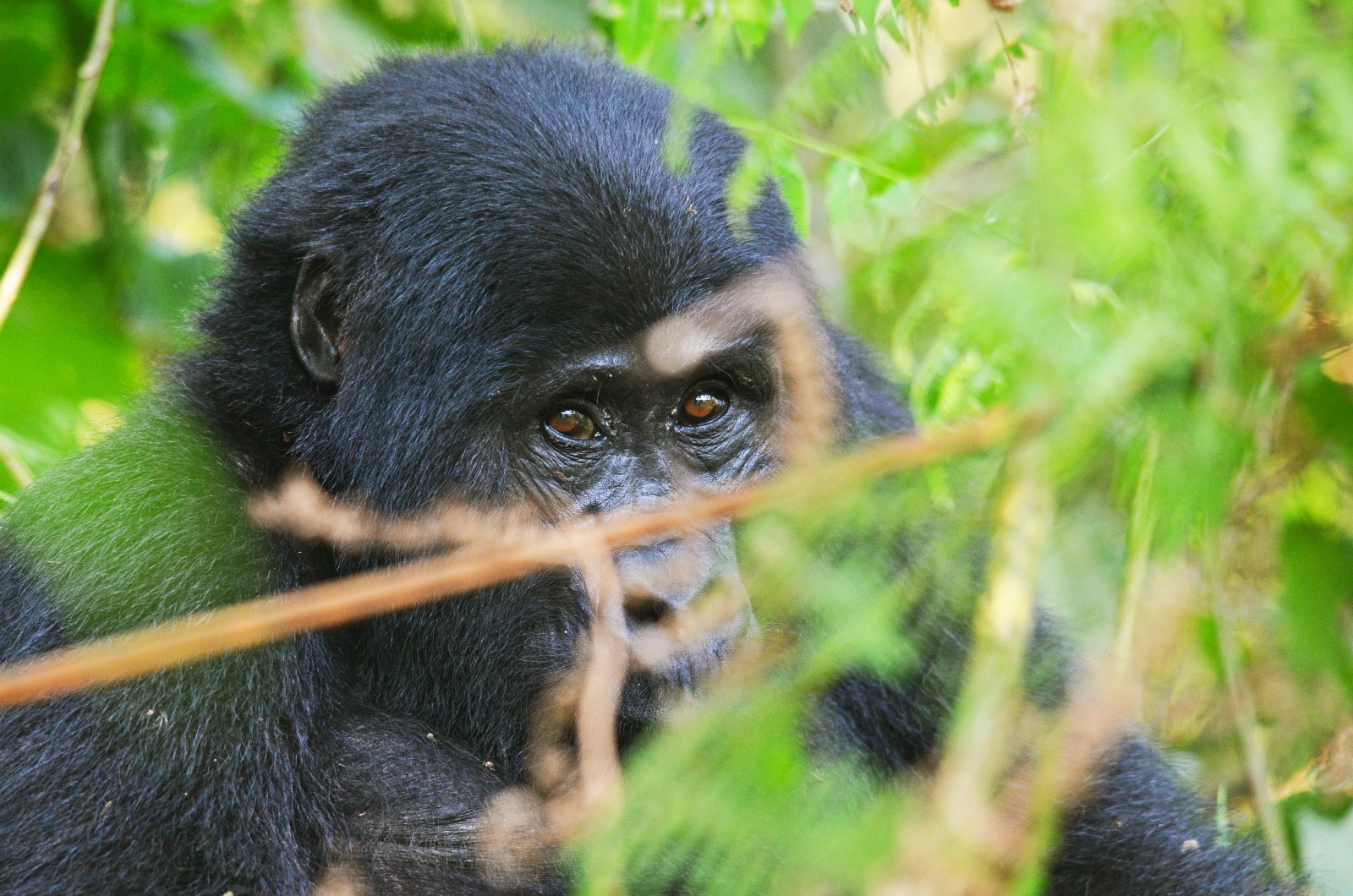
Kibale holds more primate species, and more of them per square kilometre, than any other forest on the continent. Chimpanzees headline the list, but they are far from the only draw.

Headline Species

Chimpanzees

Roughly 1,450 chimpanzees live in Kibale, our closest living relatives and Uganda's largest population of this globally endangered primate. Several communities are habituated for both standard tracking and the full-day habituation experience.

Also Endangered

Red Colobus & L'Hoest's Monkey

Kibale holds the largest population of both the endangered red colobus and l'Hoest's monkey in East Africa, making it a priority stop for primate specialists, not just chimp trackers.

Also Present

Nine More Primate Species

Red-tailed and blue monkeys, black-and-white colobus, grey-cheeked mangabey, olive baboon, bush baby, and potto round out Kibale's 13-species primate list, one of the richest anywhere in Africa.

Larger Mammals

Elephants, Buffalo & More

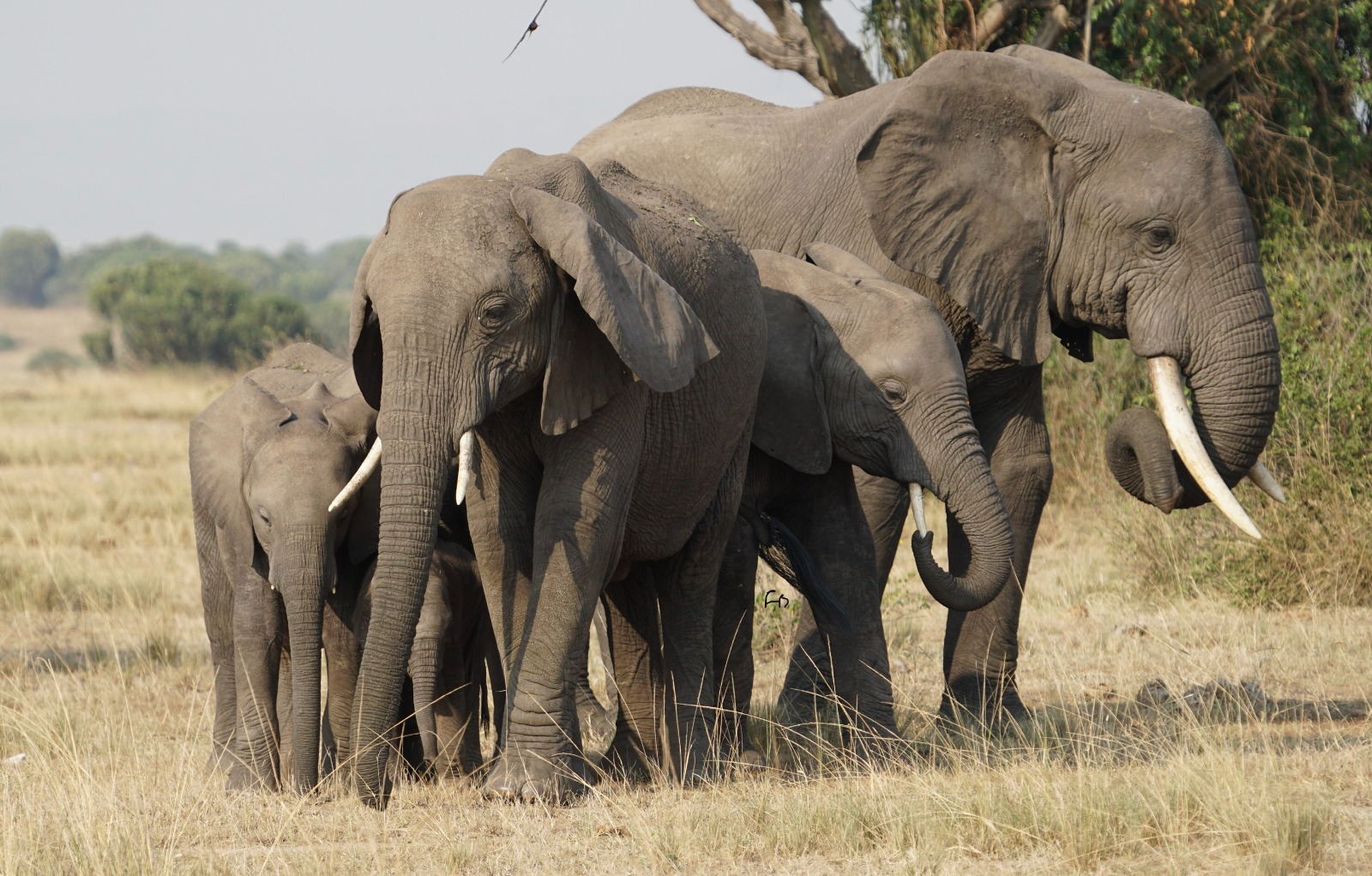
Over 70 mammal species share Kibale's forest floor, though thick vegetation keeps most sightings brief. An estimated 500 elephants move through the park, alongside buffalo, leopards, golden cats, duikers, bush pigs, and warthogs.

Small Wonders

Butterflies, Reptiles & Amphibians

Kibale hosts over 250 butterfly species in vivid colour, alongside a range of reptiles and amphibians that reward a slower, more observant walk through the forest.

Research Legacy

A Leading African Research Site

Kibale has hosted long-running chimpanzee and primate research for decades, and remains one of Africa's foremost sites for studying great apes in the wild.

Birdlife

A Birder's Paradise

Kibale ranks among Africa's best forest birding destinations, with over 375 recorded species. The park's specialities include the Green-breasted Pitta, African Pitta, Afep Pigeon, Crowned Eagle, White-naped Pigeon, and Red-chested Owlet, all serious targets for visiting birders.

Beyond the marquee species, expect regular sightings of the Western Nicator, Black Bee-eater, Yellow-rumped Tinkerbird, Brown-chested Alethe, African Grey Parrot, Blue-breasted Kingfisher, Blue-headed Sunbird, and the Dusky Crimsonwing among many others. Birding at Kanyanchu begins at 7am, timed to catch rarer species active early in the day.

Birdwatching in Kibale Forest National Park
Trailheads & Nearby Areas

Where Your Kibale Days Play Out

Main Trailhead

Kanyanchu River Camp

Kanyanchu sits at the heart of Kibale, and it is the busiest trailhead in the park, used daily for chimpanzee tracking and habituation. It is also the best base for spotting all 13 primate species, and for guided nocturnal walks, birding, and family-friendly nature walks.

Northern Sector

Sebitoli Forest Camp

Kibale's secondary tourism centre, in the park's north, offers guided nature walks with good chances of black-and-white colobus, red colobus, blue monkeys, and vervet monkeys, plus strong forest, aquatic, and savannah birding along the scenic Mpanga River.

Bordering Kibale

Bigodi Wetland Sanctuary

A community-managed wetland bordering Kibale at Magombe Swamp, with 138 recorded bird species and eight primate species including grey-cheeked mangabey, l'Hoest's and blue monkeys, red-tailed and black-and-white colobus, and olive baboon. Mongooses and bushbucks also turn up here.

North Of Sebitoli

Kihingami Wetland

Another community-run conservation project, offering strong birding and walks past the area's large tea estates. Expect black-and-white colobus, red-tailed monkeys, red colobus, mongooses, otters, and bushbucks along the trail.

On Safari In Kibale

Things To Do In The Park

Chimpanzee Tracking

The Kanyanchu Forest Walk is Kibale's signature activity, and has run since chimp tracking began here in 1993. Guided walks start at 2pm and last around 3 hours, with strong odds of encountering chimpanzees and several of the park's other 12 primate species along the way.

Chimpanzee Habituation Experience

A full-day option for travellers who want more time with the chimps. Join a research team from 6:00 to 6:30am, when the chimpanzees leave their overnight nests, and stay with the community through the day's hunting, resting, and social behaviour, until they build new nests around 7pm.

Night Walks

As the forest's daytime residents settle in, its nocturnal ones wake up. Guided night walks start at 7:30pm and run around two hours, tracking bush babies, pottos, tree hyrax, nightjars, and, with luck, civet or serval cats by torchlight.

Birdwatching

Birding at Kanyanchu starts at 7am, targeting rarities like the White-winged Warbler, White-collared Oliveback, Papyrus Gonolek, and Papyrus Canary. The nearby Bigodi Wetland Sanctuary adds a boardwalk trail through prime habitat for over 138 additional species.

Cultural Visits

The Kibale Association for Rural Environment Development (KAFRED) runs guided walks through the Magombe Swamp boardwalk and into nearby villages, where you can meet the Batooro community, visit a KAFRED-built school, and hear the local "Village of Two Tribes" history of how the Bakiga and Batooro came to share this land. Proceeds fund local sanitation, health, and education projects.

Where To Stay

Lodges In & Around Kibale

We match accommodation to your budget and preferred trailhead. A sample of what is available around the park:

Area Budget Midrange Upmarket / Luxury
Kanyanchu (in-park) — — Primate Lodge Kibale, with luxury safari tents, en-suite forest cottages, and a treehouse overlooking an elephant trench
Sebitoli Budget cottages — —
Bigodi Kibale Forest Camp, Chimpanzee Guesthouse — —
Ndali Crater Area Budget options nearby — Ndali Lodge, Kyaninga Lodge
Fort Portal & Lake Nkuruba — Several high-standard town options —
Getting There

Reaching Kanyanchu

Kibale sits about 26 km southeast of Fort Portal town, in western Uganda. Kanyanchu River Camp, the park's main hub, is reached by one of two routes from Kampala.

Northern Route (fastest)

Kampala to Fort Portal via Mubende, roughly 300 km on tarmac, then 36 km on murram road from Fort Portal to Kanyanchu.

Southern Route

Kampala to Kibale via Mbarara or the Kamwenge road, a good option when combining Kibale with Queen Elizabeth National Park.

By Bus

Daily coach services run from Kampala to Fort Portal, passing through Sebitoli, with onward connections toward Kamwenge and Kanyanchu. We generally arrange private transfers for a more comfortable, flexible journey.

Before You Go

Good To Know

Best Time To Visit

The dry seasons, June to August and December to February, make for the easiest forest walking. Kibale is a rainforest, so expect rain at any time of year, with the heaviest showers from March to May and September to November.

Uganda Visa

Most travellers apply for Uganda's e-visa online ahead of arrival. Visas are also available on arrival at Entebbe International Airport. Ask us about the East Africa Tourist Visa if you are continuing into Rwanda or Kenya.

Chimp Permits

Chimpanzee tracking and habituation permits are issued by the Uganda Wildlife Authority and sell out fastest in peak dry-season months. Let us know your travel dates early and we will lock in your permits.

Uganda Safari Packages

Build Your Kibale Safari

A few of the itineraries our travellers book most often around Kibale. Every trip can be adjusted to your dates, pace, and budget.