Your Booking has been received. Tripsopedia will be in touch with you.
An ancient rainforest on the edge of the Albertine Rift, and home to more than half of the world's remaining mountain gorillas.
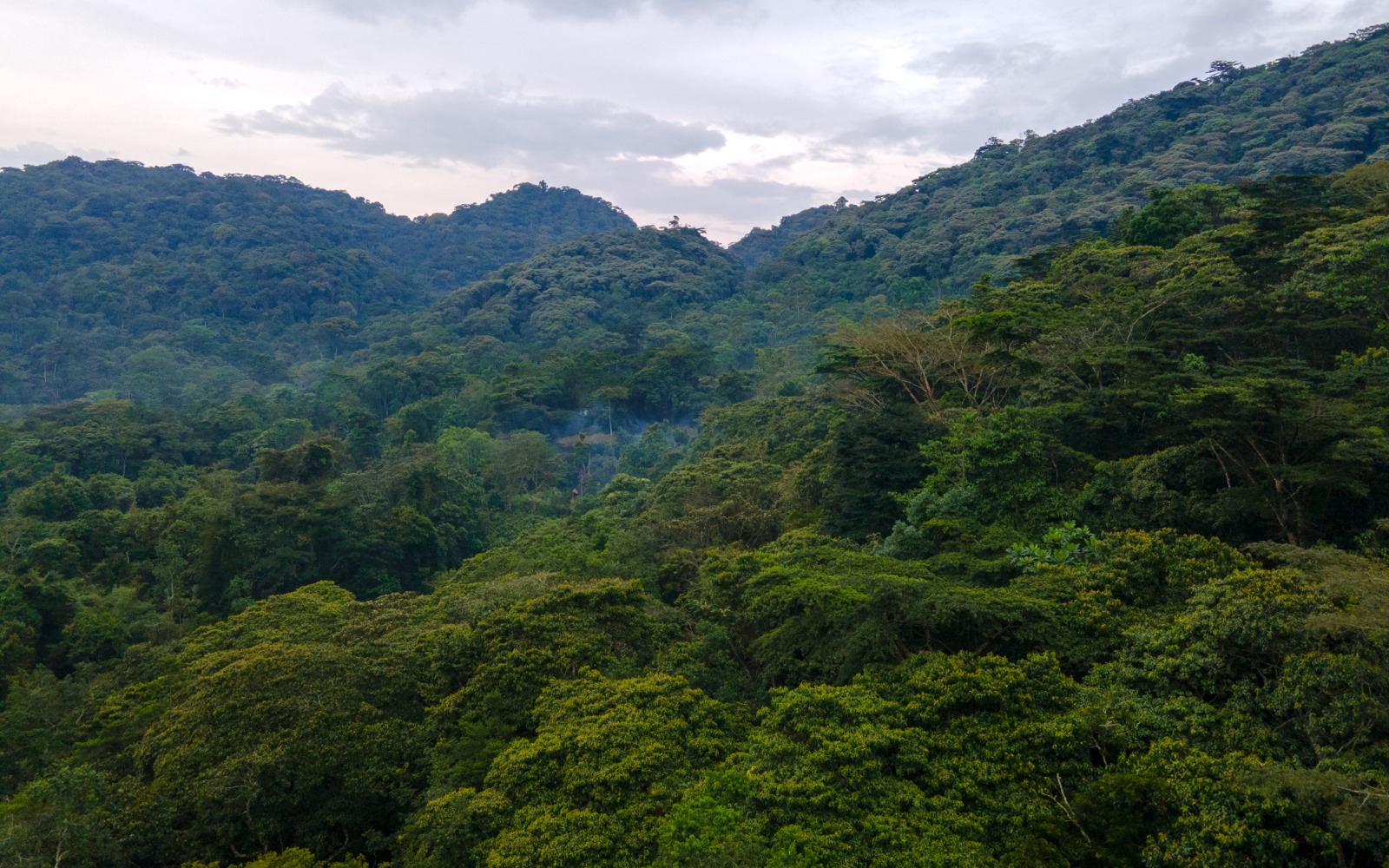
Bwindi Impenetrable Forest National Park sits in the far southwest of Uganda, spread across 321 square kilometres between 1,160 and 2,607 metres above sea level. It is one of the largest surviving stretches of afro-montane forest in East Africa, and its altitude alone supports a tree density unmatched by any comparable forest on the continent. Thick undergrowth tangled through mature tropical canopy gives the park its name, and its reputation.
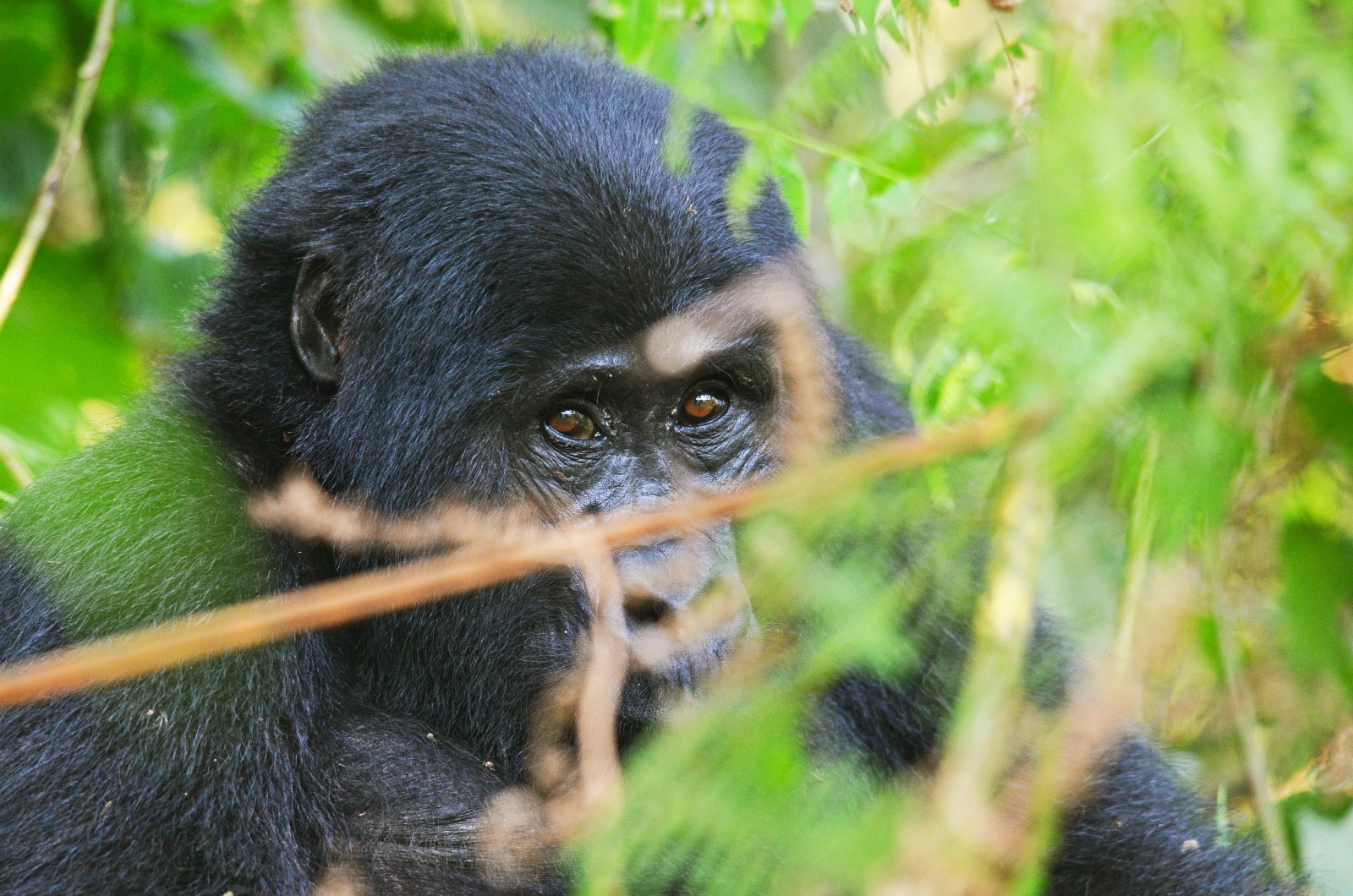
What draws most travellers here is simple: Bwindi holds more than half of the roughly 1,000 mountain gorillas left in the wild, a species the IUCN still lists as endangered. But the park earns its status well beyond gorillas. Researchers count at least 163 tree species, 350 recorded bird species, 120 mammal species, seven types of diurnal primate, and over 200 species of butterfly inside its boundaries, among the richest biodiversity counts of any forest in Africa.
Bwindi's story as a protected area goes back to 1932, when the Kayonza and Kasatora forest reserves were first set aside in the park's northern and southern sectors. The two reserves merged in 1948 to form the Impenetrable Central Forest Reserve, and in 1961 the area was gazetted specifically to protect its mountain gorillas. Full national park status followed in 1991, giving Uganda the Bwindi we know today.
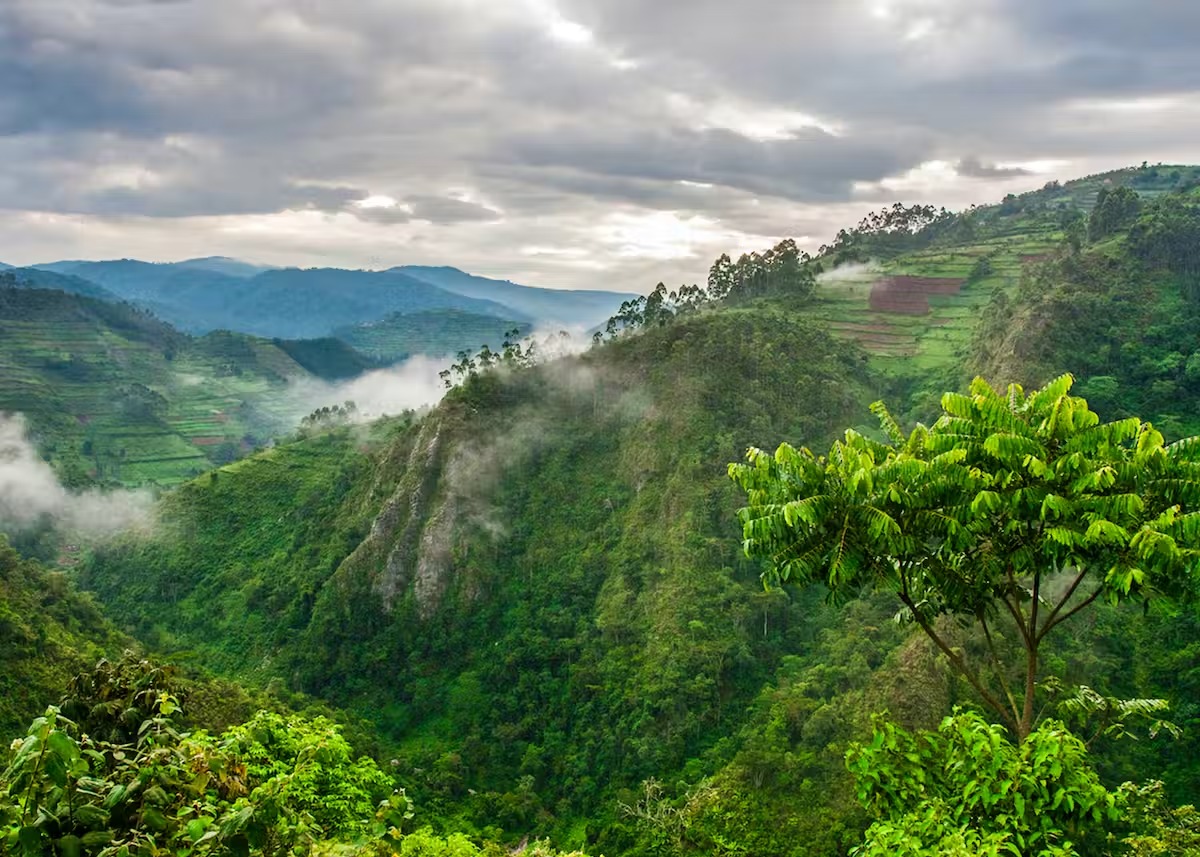
Local legend traces Bwindi's name to a family crossing from Uganda's crowded south toward the emptier north, who reached an impassable swamp. A spirit offered safe passage in exchange for the family's favourite daughter, Nnyinamukari. Word of the exchange spread, and people began calling the swamp "Mubwindi bwa Nnyinamukari," the dark place of Nnyinamukari. The swamp still exists today, and its name eventually attached itself to the whole forest.
Bwindi is split into four trekking regions, Buhoma, Ruhija, Nkuringo, and Rushaga, each with its own habituated gorilla families. Only 8 people may visit a single family per day, for a strict one hour once they are found, so book your permit well ahead of your travel dates.
Long before Bwindi became a national park, the Batwa, sometimes called pygmies, lived inside the forest as hunters and gatherers. Their small stature and deep-rooted forest traditions still draw visitor interest today. When the park was gazetted to protect its mountain gorillas, the Batwa were resettled into communities surrounding the forest, no longer permitted to live within it.
The Batwa saw themselves as guardians of the forest. They hunted small game with bows and arrows, gathered wild honey, roots, and fruit, and built shelters from climbing plants and broad leaves. Since their resettlement, several organisations have worked with Batwa communities to build schools, housing, and healthcare, and many now welcome visitors to learn about the culture they carried out of the forest.
Bwindi ranks among the best afro-montane birding destinations on the continent, with 350 recorded species, 23 of them endemic to the Albertine Rift and 14 found nowhere else in Uganda. Serious birders come specifically for the African Green Broadbill and Shelley's Crimsonwing, both rare finds even within the park.
Expect encounters with handsome francolin, black and cinnamon-chested bee-eaters, black-billed turaco, regal sunbirds, mountain and yellow-streaked greenbuls, and the white-tailed crested flycatcher, among many others. The Ruhija sector consistently produces the highest species counts, making it the pick for a dedicated birding morning.
The reason most travellers come to Bwindi. Treks begin at 8am with a briefing at park headquarters, and can run anywhere from 2 to 8 hours depending on where the gorillas are ranging that day. Once found, groups of up to 8 people spend a strict one hour with the family. A gorilla permit is required for every visitor, and demand consistently outstrips supply, so we recommend booking through us as early as possible. Trekking runs year round, though the dry seasons make for easier walking.
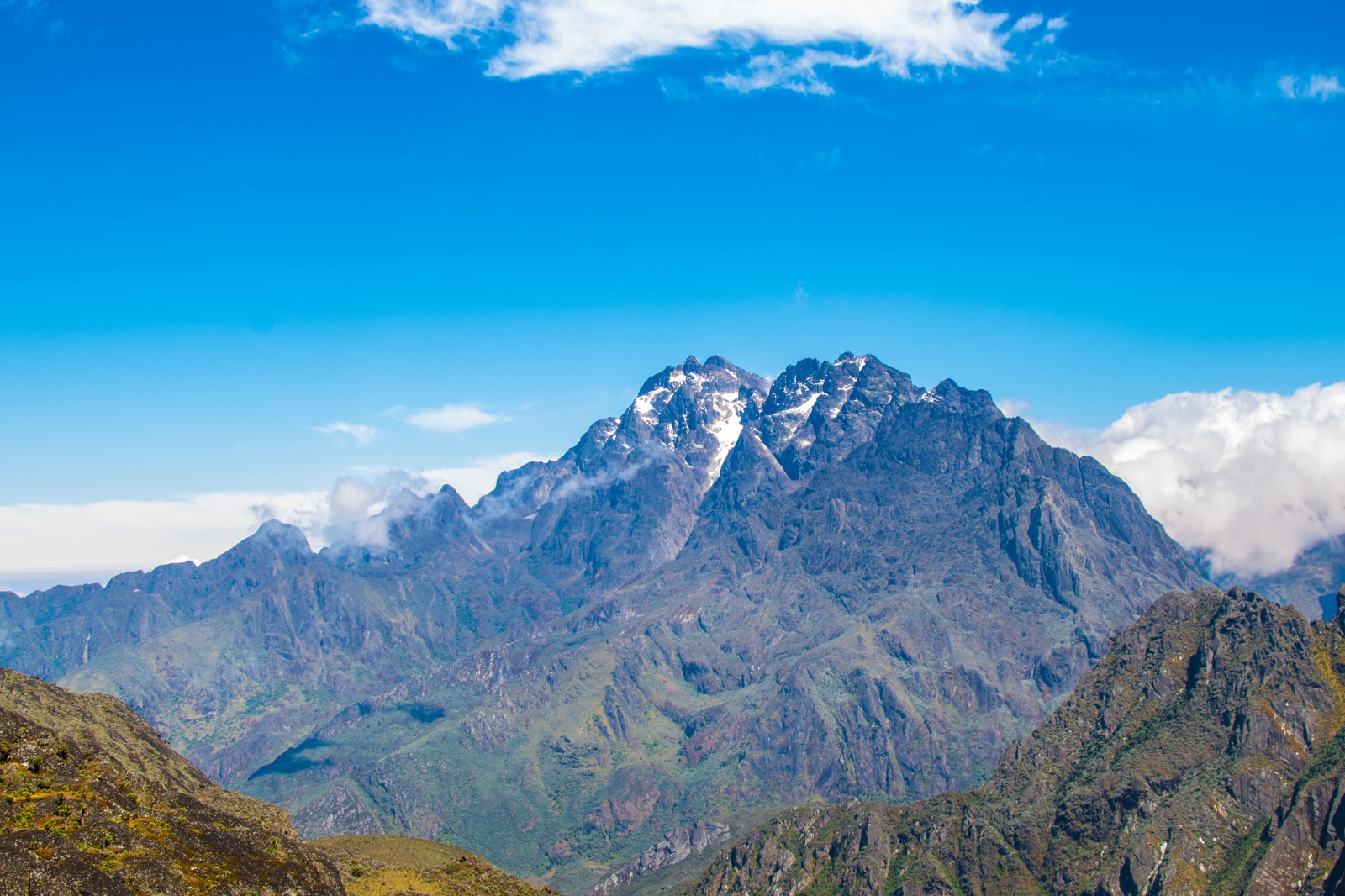
Bwindi maintains six main trails for travellers who want to experience the forest beyond gorilla trekking. The Munyaga Waterfall Trail in Buhoma is strong for primates and birding, the Rushura Hill Trail opens up views of the Rwenzori and Virunga ranges along with Lakes Edward and George, and the Muzabajiro Loop combines birding, primates, and picnic-worthy viewpoints. The Ivi River Walk, Buhoma-Nkuringo Trail, and Habinyanja Trail round out the network.
With 350 recorded species, a dedicated birding walk through Bwindi's trails, best at dawn or dusk, regularly turns up African blue and white-tailed blue flycatchers, African emerald cuckoo, short-tailed warbler, and blue-headed sunbird. The Buhoma Waterfall Trail and Mubwindi Swamp Trail in Ruhija are the two standout birding routes.
Communities around Bwindi, including the Bakiga, Bafumbira, and Batwa, run cultural experiences built for visitors. Buhoma Community Tours, the Nkuringo Community Conservation and Development Foundation, Buniga Forest Nature Walk, the Nkuringo Cultural Centre, and the Rubuguri Village Walk each offer a different window into life around the forest.
We match accommodation to your budget and trekking region. A sample of what is available across Bwindi's four sectors:
| Region | Budget | Midrange | Upmarket |
|---|---|---|---|
| Buhoma | Ride 4 a Woman Homestead | Buhoma Haven Lodge, Engagi Lodge, Silverback Lodge | Buhoma Lodge, Sanctuary Gorilla Forest Camp, Mahogany Springs, Volcanoes Bwindi Lodge, Trackers Safari Lodge |
| Nkuringo | Nshongi Camp | Nkuringo Gorilla Lodge, Chameleon Hill Lodge | Clouds Mountain Gorilla Lodge |
| Ruhija | Ruhija Community Rest Camp, Trekkers Tavern Cottages | Gift of Nature Lodge, Wagtail Eco-Safari Camp | Ruhija Gorilla Safari Lodge, Gorilla Friends Lodge, Ruhija Gorilla Mist Camp |
| Rushaga | — | Ichumbi Gorilla Lodge | Gorilla Safari Lodge, Four Gorillas Lodge |
Bwindi's four regions, Buhoma, Ruhija, Rushaga, and Nkuringo, are each reached slightly differently depending on where you are travelling from. A 4x4 is required on all routes, especially in the rainy season.
Buhoma 527 km (about 10 hours), Rushaga 510 km, Ruhija 473 km, Nkuringo 517 km.
Buhoma 232 km (about 5 hours), Ruhija 170 km, Rushaga 169 km, Nkuringo 214 km.
Buhoma 280 km (about 7 hours), Ruhija 338 km, Rushaga 429 km, Nkuringo 436 km.
Buhoma 160 km (about 5 hours), Ruhija 218 km, Rushaga 309 km, Nkuringo 316 km.
Scheduled domestic flights connect Entebbe International Airport to the Kihihi and Nyakabande (Kisoro) airstrips. Kihihi is the easiest connection for Buhoma and Ruhija, while Nyakabande suits Nkuringo and Rushaga best. We can arrange either as part of your itinerary.
The dry seasons, June to August and December to February, give the easiest forest walking and the best wildlife viewing. Bwindi is a rainforest, so some rain is possible year round, and gorilla trekking runs on every month of the calendar.
Uganda offers e-visas online, and most travellers apply this way ahead of arrival. Entry visas are also available on arrival at Entebbe International Airport. Travellers continuing into Rwanda or Kenya should ask us about the East Africa Tourist Visa.
Every trekker needs a gorilla permit, and prices are set by the Uganda Wildlife Authority. Permits sell out well ahead of peak months, so ask us for current rates and let us secure yours as soon as your travel dates are set.
A few of the itineraries our travellers book most often for Bwindi. Every trip can be adjusted to your dates, pace, and budget.